
Article Source: Business Today
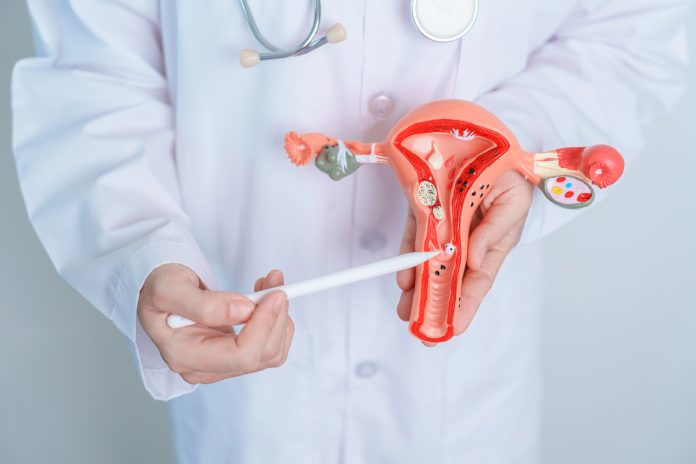
Polycystic ovary syndrome (PCOS) affects millions of women worldwide, yet awareness and early diagnosis remain limited. In many cases, women only discover they have PCOS when they undergo fertility assessments.
In an interview with BusinessToday, Dr Maiza Tusimin, Senior Consultant O&G and Fertility Specialist at Prince Court Medical Centre in Kuala Lumpur, shared her insights on how PCOS is diagnosed, managed, and often overlooked.
PCOS in Malaysia
Since beginning her practice in 2001, Dr Maiza has devoted much of her career to infertility care, with polycystic ovary syndrome (PCOS) emerging as one of the most common conditions among her patients. “Out of every ten women I see for fertility issues, around three to four are living with PCOS,” she explained. Globally, studies show one in eight women contracts PCOS.
PCOS is not a single disease but a syndrome—a cluster of symptoms that can present very differently from one woman to another. These may include irregular or absent periods, acne, excess hair growth, weight gain, or difficulties conceiving. While obesity is frequently associated with PCOS, Dr Maiza warns against oversimplifying the condition. In her practice, around 30% of patients fall into the “lean PCOS” category—women who are slim but still show the hormonal and metabolic imbalances typical of the syndrome. The other 70% are affected by obesity-related PCOS, often linked to insulin resistance.
PCOS as a Metabolic Disorder
One of the key drivers of PCOS is insulin resistance. When the body struggles to regulate blood sugar, hormonal imbalances follow, disrupting ovulation and menstrual cycles. Although PCOS is often viewed as a reproductive condition, Dr Maiza stresses its strong connection to metabolic health. Genetic links between PCOS and insulin resistance place it within the wider spectrum of metabolic syndrome.
To address this, she works with a multidisciplinary team—including dietitians, physiotherapists, and endocrinologists—to stabilise metabolic issues before pursuing fertility treatment. For women with obesity, losing 10–12% of body weight can significantly improve egg quality, embryo development, and pregnancy outcomes. Lean PCOS patients, meanwhile, usually benefit more from dietary adjustments and hormone regulation than from weight loss.
Symptoms and Diagnosis
Diagnosis of PCOS follows international guidelines, primarily the Rotterdam criteria, which require at least two of three markers. The first is clinical signs of excess androgen, such as unwanted hair growth or persistent acne. The second is ultrasound evidence of polycystic ovaries. The third involves biochemical findings, such as elevated testosterone or an imbalance in hormones like luteinizing hormone (LH) and follicle-stimulating hormone (FSH). This framework helps doctors distinguish PCOS from other conditions that also disrupt menstrual cycles and fertility.
Dr Maiza has observed that PCOS is increasingly being detected in adolescents, sometimes just a few years after puberty. Parents often seek medical advice when their daughters experience irregular cycles—sometimes only every three to six months—or early signs of androgen excess, such as acne or excess facial hair. She links this trend partly to sedentary lifestyles and diets high in sugar and refined carbohydrates, which contribute to obesity and insulin resistance.
What Happens When PCOS is Untreated?
Untreated PCOS can lead to serious health risks that go far beyond fertility struggles. According to Dr Maiza, around 10% of obese PCOS cases are linked to hypothyroidism, and many women face a higher likelihood of developing type 2 diabetes, hypertension, high cholesterol, fatty liver disease, and sleep apnoea. From a gynaecological perspective, prolonged irregular cycles can also cause endometrial hyperplasia—a precancerous condition that, if left untreated, may progress to endometrial cancer.
These risks highlight the importance of early diagnosis and proactive management. “Catching PCOS early means protecting women from both immediate fertility issues and long-term health complications,” Dr Maiza explained. With timely intervention and a personalised treatment plan, women can not only manage their symptoms more effectively but also reduce the risk of developing serious chronic conditions later in life.
Viable Treatments for PCOS
Because insulin resistance is a driving factor, addressing this metabolic root cause is central to modern PCOS management. Traditionally, medication such as metformin and hormone therapy has been used, but many patients now seek alternatives that are gentler and more sustainable.
This is where nutraceuticals like Concevoir® are emerging as an option. Developed in Malaysia, the supplement combines Myo-Inositol and D-Chiro-Inositol in a 3.6:1 ratio—a formulation clinically studied for its role in improving insulin sensitivity and supporting hormonal balance. For women navigating PCOS, IVF, or other fertility treatments, such approaches provide an option that works in harmony with the body rather than relying solely on pharmaceuticals.
Lifestyle, however, remains the cornerstone of PCOS care. Dr Maiza emphasises the importance of healthy eating, regular exercise, good sleep, and stress control to reduce cortisol levels, which otherwise disrupt fertility hormones. From there, supplements and medications may be added, with surgical options reserved for specific cases. “There is no single cure,” she said, “but if women follow the right steps, most will see meaningful improvement within three to six months.”
Awareness, Support, and Empowerment
Beyond medical treatment, awareness and support play an equally vital role in managing PCOS. Persistent misconceptions—such as the idea that only overweight women are affected—continue to delay proper diagnosis and care. In Malaysia, however, social media campaigns and support groups are beginning to change this narrative, breaking down stigma, providing education, and giving women a sense of community and shared experience.
Dr Maiza stresses that empowering women with accurate information and accessible healthcare is essential to closing gaps in women’s health. She urges women to seek medical advice without fear or hesitation, highlighting that early diagnosis, personalised care, and consistent support are key to improving both reproductive health and long-term wellbeing.